
Small Injection Entry Points
Softens Selected Under-Eye Shadows
Uses Autologous Tissue
Potentially Long-Lasting Surviving Fat
The tear trough is a groove between the lower eyelid and upper cheek. It can cast a shadow that contributes to a tired appearance, but pigmentation, visible vessels, skin quality, eyelid bags, swelling, and skeletal structure can create similar concerns.
Tear trough fat grafting harvests fat from another body area, processes it, and places small amounts into selected hollows. Some transferred fat is reabsorbed, survival is unpredictable, and the result continues to change with aging and weight. Hyaluronic acid or lower-eyelid surgery may be more appropriate for other anatomy. Fat injection near the eye also carries a rare but severe risk of vascular occlusion, skin injury, stroke, or vision loss.

Under-eye roll: A narrow orbicularis-muscle prominence directly below the lower eyelashes.
Eyelid bag: A broader fullness below the roll, commonly related to protruding orbital fat.
Tear trough: A groove below and toward the inner side of the eyelid bag. Filling the groove does not remove an eyelid bag and can make fullness look heavier when anatomy is not assessed.
| Method | Fat Grafting | Hyaluronic Acid Filler |
|---|---|---|
| Procedure | Fat harvest, processing, and micro-volume injection | Injection of a temporary gel |
| Often Considered For | Selected volume loss with an available donor area and acceptance of surgery | Selected hollows needing a small, adjustable volume |
| Entry Points | Small harvest incisions and injection punctures | Needle or cannula punctures |
| Typical Time | About 1 hour or longer depending on harvest and other areas | About 15–30 minutes |
| Visible Recovery | Often 1–2 weeks; settling and fat survival take months | Often several days; bruising or swelling can last longer |
| Durability | Surviving fat can be long-lasting but changes with aging and weight | Temporary and varies by product, anatomy, and metabolism |
| Key Risks | Irregular survival, lumps, fat necrosis, over- or undercorrection, and rare vascular occlusion | Swelling, lumps, migration, Tyndall effect, and rare vascular occlusion |
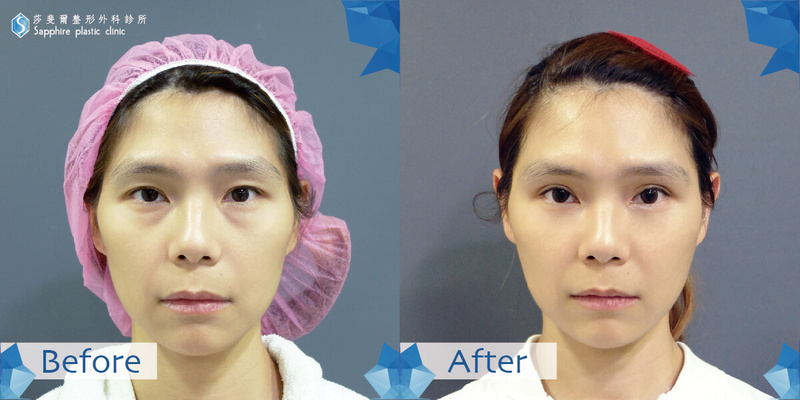
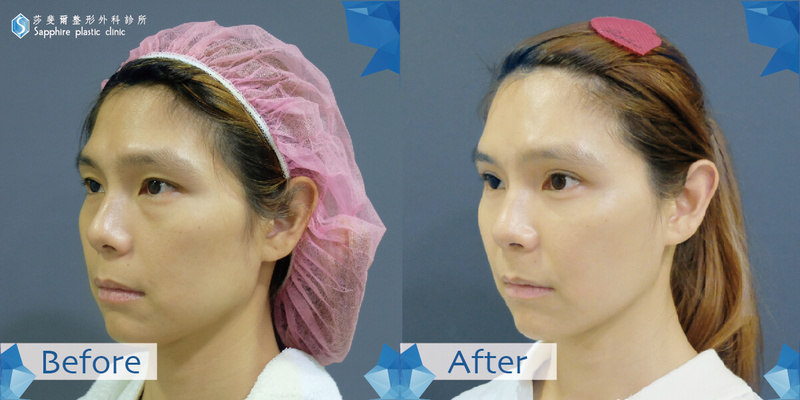
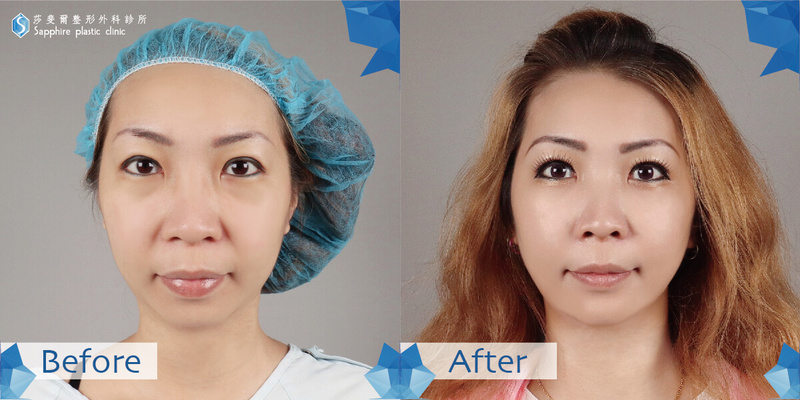
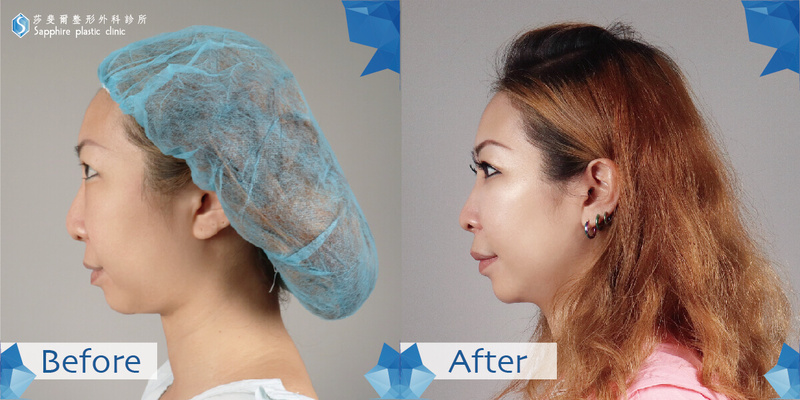
Hyaluronic acid is temporary, requires no harvest, and may allow small adjustments, but can cause swelling, lumps, migration, blue discoloration, and rare vascular occlusion. Fat grafting requires surgery and a donor area; survival is unpredictable and irregularity, fat necrosis, or overcorrection can be difficult to reverse. Both carry rare vision-threatening vascular risk near the eye. Anatomy and goals determine the choice.
Yes. Thin under-eye skin makes shallow placement, clumping, unequal survival, fibrosis, oil cysts, or fat necrosis more visible. Micro-volume placement may reduce but cannot eliminate irregularity. Massage or revision should only be done after examination because removal near the eye can be difficult.
There is no long eyelid incision, but small puncture marks occur at injection sites and small incisions are required where fat is harvested. These usually become subtle but can remain pigmented, firm, raised, or visible. The procedure should not be described as scarless.
Swelling settles and some fat is reabsorbed over the first several months. Fat that survives can remain long term, but no fixed 5–10-year duration or survival percentage can be guaranteed. Aging, weight change, tissue support, and health continue to alter the area.
Sometimes. Protruding eyelid-bag fat may be repositioned into a true tear trough, or separately harvested fat may be used when indicated. The plan must avoid both overfilling and over-removal. Combined surgery increases swelling and carries risks of hollowing, irregularity, retraction, asymmetry, and revision.
Follow the operating surgeon’s instructions. Brief, gentle cooling may be allowed for comfort, but prolonged, very cold, or direct pressure can injure skin and may affect circulation. Do not press or massage the grafted area. Final fat survival is usually assessed after swelling has settled over several months.
Suitability depends on health, eye condition, donor tissue, and anesthesia. Report diabetes, seizures, bleeding disorders, abnormal scarring, allergies, cardiovascular disease, dry eye, thyroid eye disease, glaucoma, vision problems, and prior eye or facial surgery. Active infection or inflammation should be treated first. Elective surgery is generally deferred during pregnancy; breastfeeding requires assessment. Patients under 18 need a legal representative. Provide all medicines and supplements—including aspirin and anticoagulants—and do not stop them without the prescribing physician. Avoid smoking and alcohol as instructed, follow fasting rules, remove makeup and contact lenses, and arrange an adult escort.
Use medicines, cleansing, ointment, and cooling only as instructed. Keep harvest and injection sites clean and dry until cleared. Do not press or massage the graft. Contact the clinic for increasing swelling, redness, bleeding, pus, fever, severe pain, skin color change, weakness, speech difficulty, or any visual symptom. Avoid smoking, alcohol, hot springs, swimming, soaking, and strenuous activity for the specified period. Do not start or stop medicines without advice.
Possible complications include bleeding, infection, prolonged swelling, donor-site contour change, scars, asymmetry, lumps, irregularity, under- or overcorrection, fat necrosis, oil cysts, calcification, persistent puffiness, and need for revision. Rare intravascular injection can cause skin necrosis, stroke, or permanent vision loss. Sudden pain, blanching or mottled skin, neurologic symptoms, or any visual change is an emergency.
This information is for reference only. Treatment must be assessed by a physician based on each person's condition. Results and risks vary; consult a qualified physician and follow medical advice.