
Anatomy-Based Surgical Plan
Controlled Surgery with Physiologic Monitoring
Preoperative Simulation and Informed Consent
Facial Proportion and Airway Considered Together
Structural rhinoplasty reshapes and supports selected parts of the nose, which may include the bridge, nasal bones, septum, tip cartilages, columella, and alar base. Open or closed access, cartilage grafts, implants, septal work, osteotomies, or alar-base reduction are chosen according to anatomy and goals.
It cannot guarantee a perfect, symmetrical, or permanently unchanged nose. Swelling can last many months, and scars, asymmetry, infection, graft warping or resorption, implant displacement or extrusion, septal perforation, skin injury, altered smell or sensation, breathing difficulty, and revision can occur. Aesthetic rhinoplasty does not automatically correct nasal obstruction; functional symptoms require airway assessment.


Nasal bones and bridge: Osteotomy can narrow, straighten, or reposition selected nasal bones. Dorsal grafts or implants may add height. Bone work causes swelling and bruising and can create asymmetry, step-offs, instability, or airway change.
Septum and cartilage framework: Septal, ear, or rib cartilage may be used to support the bridge, tip, columella, or nasal valves. Available tissue and functional needs limit the plan.
Nasal tip: Tip cartilages can be reshaped, sutured, reduced, or supported with grafts. Excessive tension or reduction can compromise skin or breathing.
Alar base: Internal or external alar-base incisions can narrow selected width or flare. Scars, nostril asymmetry, notching, and over-narrowing can occur.


ePTFE: Expanded polytetrafluoroethylene is a porous synthetic implant material; Gore-Tex® is a brand name, not the generic name. Product-specific Taiwan approval and intended use must be confirmed. Tissue ingrowth can improve stability but make removal harder. Infection, displacement, contour show, skin thinning, extrusion, and revision can occur.
Autologous rib cartilage: Provides substantial support and avoids a manufactured nasal implant. It can warp, resorb, calcify, become visible, or cause infection. Harvest adds a chest scar, pain, contour change, and rare pleural injury or pneumothorax.
Donor rib cartilage: Processed human donor cartilage avoids a harvest scar. Sterilization lowers but does not make infection or disease-transmission risk zero. Resorption, warping, fracture, visibility, cost, and revision remain possible; tissue source and Taiwan compliance should be documented.
Silicone elastomer: A solid synthetic implant that can be shaped and is often easier to remove than porous material. It can form a capsule, shift, become visible, thin the skin, erode or extrude, become infected, or require replacement.
| Plan | Dorsal Augmentation | Multicomponent Structural Rhinoplasty | Nasal Osteotomy |
|---|---|---|---|
| May Address | Selected bridge or radix height | Bridge, tip, septum, columella, valves, and/or alar base as indicated | Wide, asymmetric, or deviated nasal bones |
| Access | Often closed or open, depending on material and revision status | Often open for exposure; selected cases may be closed | Internal or small external access combined with the rhinoplasty plan |
| Visible Recovery | Often 1–2 weeks; final settling takes months | Often 2–3 weeks; tip swelling can last a year or longer | Often 2–4 weeks for bruising and swelling; bone healing takes longer |
| Limits and Risks | Does not correct all tip, airway, or asymmetry concerns | Longer surgery, more swelling, columellar scar, graft and revision risks | Bleeding, bruising, asymmetry, step-off, instability, airway change |


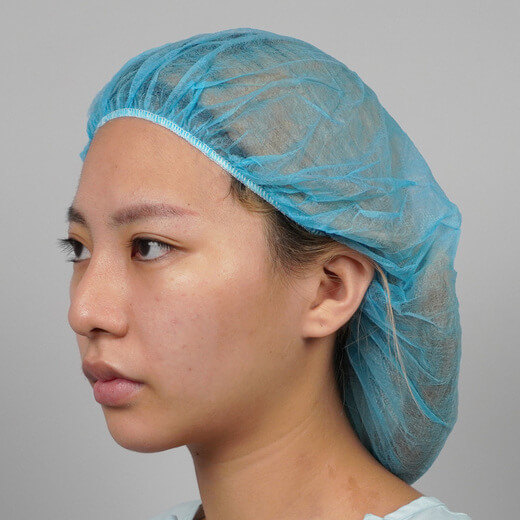


Photos are published with the subject's consent and authorization. Surgical results may vary depending on individual conditions.
Anesthesia prevents pain during surgery, but injections, pressure, congestion, throat irritation, donor-site pain, headache, and soreness can occur afterward. Rib-cartilage harvest may hurt more than the nose. Use prescribed pain medicine only as directed. Severe or increasing pain, vision change, heavy bleeding, fever, skin color change, breathing difficulty, chest pain, or shortness of breath requires prompt assessment.
No single anesthesia method is required for every rhinoplasty. Local anesthesia with sedation may suit selected limited procedures, while rib harvest, osteotomy, complex structural work, long surgery, or revision often favors general anesthesia. The plan depends on airway protection, duration, health, facility, anesthesiology assessment, and patient cooperation. Monitoring reduces but does not eliminate anesthesia risk.
Sometimes. External deviation can involve nasal bones, upper lateral cartilage, septum, tip, or facial asymmetry. Nasal obstruction can also come from turbinates, nasal valves, allergy, inflammation, or other disease. Septoplasty, valve repair, turbinate treatment, and cosmetic rhinoplasty have different indications; combined treatment requires functional examination and may not fully straighten the nose or restore breathing.
Yes. Early congestion is common, and persistent breathing difficulty can result from swelling, scar tissue, septal change or perforation, valve narrowing or collapse, adhesions, graft or implant position, infection, or over-resection. Rhinoplasty can improve selected structural obstruction when planned for that purpose, but cosmetic surgery alone does not guarantee better breathing and can worsen it.
Do not forcefully blow, pinch, or manipulate the nose until the surgeon allows it; sneeze with the mouth open and follow instructions for splints and cleaning. Eyeglass pressure can shift healing bones or grafts and indent swollen skin, so glasses may need to be suspended or avoided for several weeks. Timing varies with osteotomy, implant, graft, wound, and healing—do not rely on a universal one-month rule.
Closed rhinoplasty places most incisions inside the nostrils. Open rhinoplasty adds a columellar incision, and alar-base reduction adds scars around the nostrils. External scars often fade but do not disappear and can remain red, dark, pale, raised, depressed, wide, notched, or asymmetric. Internal scars can also cause narrowing or adhesions.
Bruising and obvious swelling often improve over 1–3 weeks, but tip swelling, firmness, and asymmetry can evolve for 6–12 months or longer, especially after revision or thick-skin surgery. Use only the surgeon-approved cooling method; avoid direct ice, excessive pressure, or prolonged cold. Do not take herbal remedies, supplements, steroids, or anti-inflammatory drugs unless the surgical and anesthesia teams have reviewed interactions and bleeding risk.
Suitability depends on health, nasal growth, airway, skin, materials, and anesthesia. Report diabetes, seizures, bleeding disorders, abnormal scarring, allergies, cardiovascular or lung disease, sleep apnea, chronic nasal disease, prior nose surgery or filler, smoking, and all medicines and supplements. Active infection or uncontrolled inflammation should be treated first. Elective surgery is generally deferred during pregnancy; breastfeeding requires assessment. Patients under 18 need a legal representative and confirmation that nasal growth and maturity are appropriate. Do not stop aspirin, anticoagulants, hormones, or prescriptions without the prescribing physician. Follow fasting rules and arrange an adult escort.
Take medicines and attend follow-up as directed. Keep incisions, splints, and donor sites clean and dry; do not remove packing or splints yourself. Sleep with the head elevated, avoid pressure, trauma, forceful nose blowing, smoking, alcohol, soaking, swimming, and strenuous activity for the specified period. Contact the clinic for increasing redness, pus, fever, heavy bleeding, severe pain, skin color change, bad odor, worsening obstruction, chest pain, shortness of breath, or any visual or neurologic symptom. Do not start or stop medicines or herbal products without advice.
Possible complications include bleeding, infection, scars, poor healing, skin necrosis, numbness or pain, smell change, prolonged swelling, asymmetry, contour irregularity, graft warping or resorption, implant shift or extrusion, septal perforation, adhesions, valve collapse, breathing difficulty, donor-site injury, unsatisfactory appearance, and revision. Anesthesia complications, severe infection, vision injury, cerebrospinal fluid leak, pneumothorax after rib harvest, and other major events are rare but serious.
This information is for reference only. Treatment must be assessed by a physician based on each person's condition. Results and risks vary; consult a qualified physician and follow medical advice.