
Addresses Multiple Upper-Eyelid Concerns
Can Be Combined With Selected Eye Procedures
Generally More Durable Than the Suture Method
Flexible Crease Shape and Height
Upper eyelid anatomy varies in skin thickness, fat, muscle function, crease position, and symmetry. A low or absent crease, hooding, puffiness, ptosis, or asymmetry can have different causes and should be assessed separately.
Incisional double eyelid surgery creates or defines an upper eyelid crease through an incision. When appropriate, the surgeon may also adjust excess skin, selected fat, orbicularis tissue, or levator function. The operation should be tailored to anatomy rather than used to create the same crease on every patient.

Upper Eyelid Skin
Orbital Fat
Eyelid Muscle Function
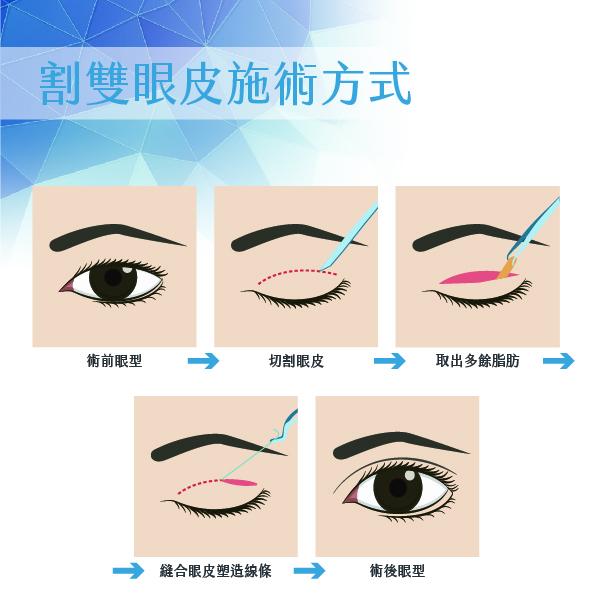
| Method | Incisional Method | Suture Method |
|---|---|---|
| Often Considered For | Thicker or puffy eyelids |
Thinner, firmer eyelids |
| Durability | Generally more durable, but creases can change with healing and aging | Sutures can loosen or the crease can fade over time |
| Anesthesia | Usually local anesthesia, sometimes with sedation | Usually local anesthesia |
| Typical Surgery Time | About 1–1.5 hours | About 30–60 minutes |
| Visible Recovery | Often 1–2 weeks; final settling takes months | Often several days to 1 week |
| Suture Removal | Usually required | Usually not required unless external sutures are used |
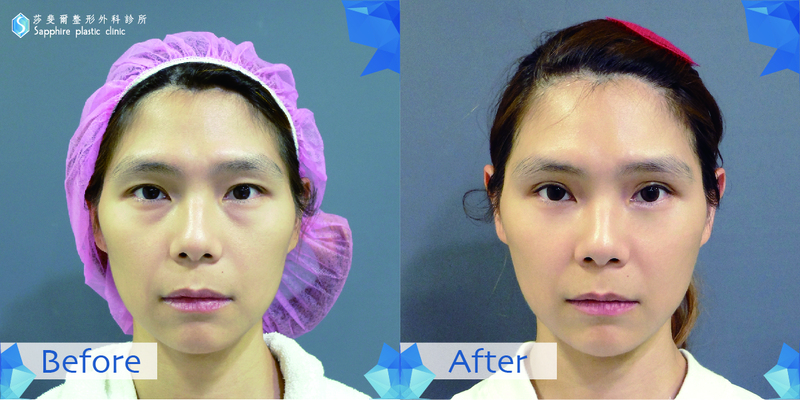
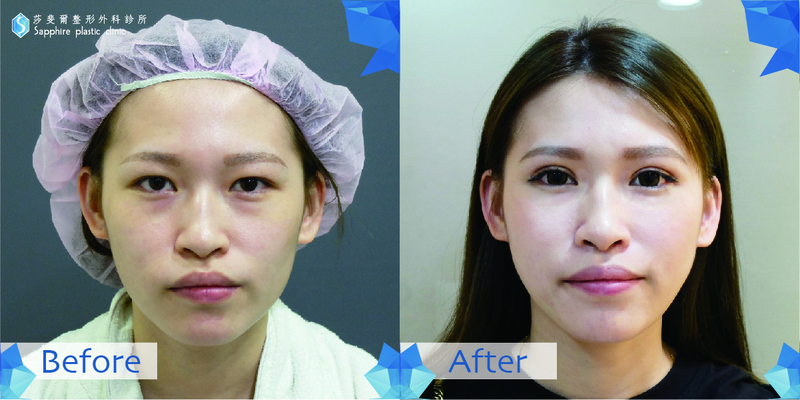
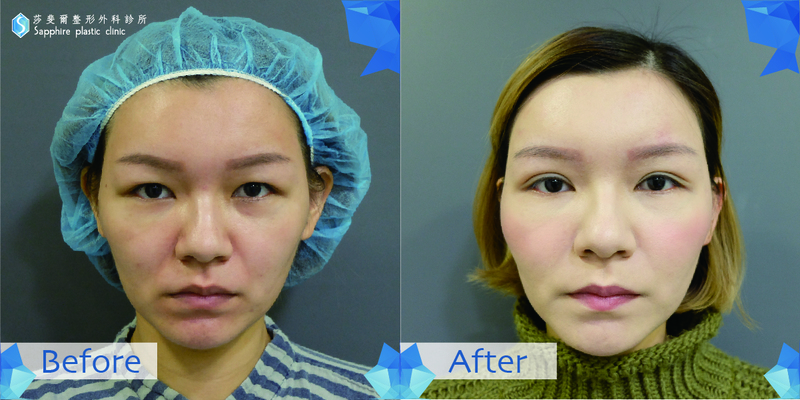
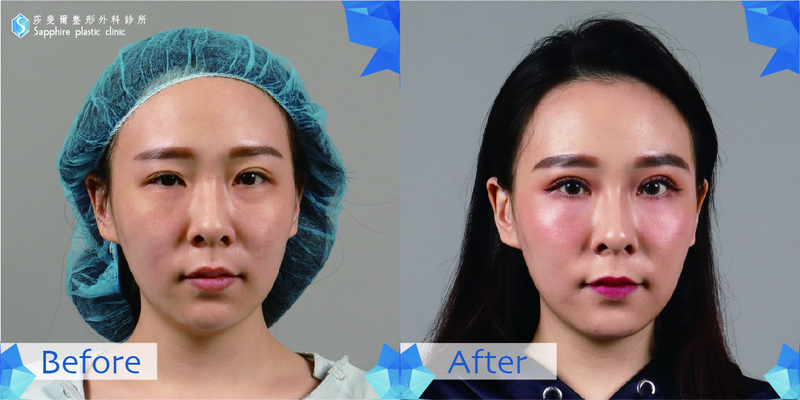
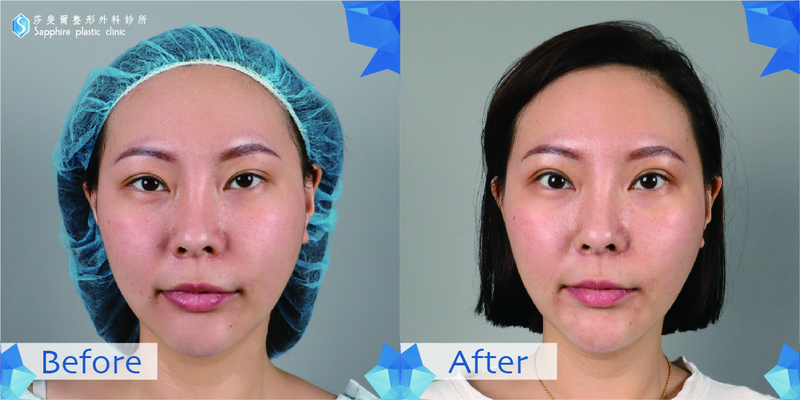

The suture method may suit thinner eyelids with limited fat, skin excess, and ptosis. The incisional method may be more appropriate when there is thicker tissue, puffiness, skin laxity, a need for tissue adjustment, diagnosed ptosis, or significant asymmetry. A surgeon should assess eyelid anatomy, brow position, eye opening, prior surgery, and your desired crease before recommending a method.
Swelling and bruising are expected and are often most noticeable during the first several days. Visible swelling usually improves over 1–2 weeks, but firmness, scar redness, crease depth, and asymmetry can continue changing for 2–6 months or longer. Recovery varies with tissue adjustment, combined procedures, health, and aftercare.
Yes. The incision is placed within the planned crease so it may become less noticeable as it matures, but an incisional procedure always creates a scar. Redness, firmness, widening, depression, pigmentation, or hypertrophic scarring can occur. Scar maturation takes months, and individual healing varies.
Yes, when each procedure has a clear indication. Possible combinations include ptosis correction or epicanthoplasty; fat grafting or other procedures may also be planned separately. Combining procedures can increase swelling, recovery time, dryness, asymmetry, and other risks, so the benefit and sequence should be assessed individually.
Local anesthetic is used to reduce pain, and sedation may be considered in selected cases. The anesthetic injection can sting, and pressure, pulling, or discomfort may still be felt. After surgery, soreness and tightness are common. Tell the medical team if pain is severe or increasing rather than assuming it is normal.
Do not apply makeup over an open incision, sutures, crusting, or irritated skin. After incisional surgery, eye makeup is often delayed until sutures are removed and the wound surface is closed—commonly about 1–2 weeks or longer. Follow the surgeon’s examination rather than a fixed date, and replace contaminated eye products.
Early asymmetry often reflects different swelling, bruising, muscle activity, or baseline anatomy between the two sides. It should be reassessed after healing rather than judged immediately. Persistent asymmetry can also relate to crease fixation, tissue removal, ptosis, brow position, scarring, or surgical planning and may require observation or revision. Use cold compresses only as instructed.
Suitability depends on health, surgical method, and anesthesia. Tell the physician about diabetes, seizures, bleeding disorders, keloids or abnormal scarring, drug allergies, cardiovascular disease, dry eye, thyroid eye disease, glaucoma, vision problems, and prior eye surgery. Elective surgery is generally deferred during pregnancy; breastfeeding requires individual assessment.
Active eye or skin infection, inflammation, allergy, or an unhealed wound should be treated first. Patients under 18 require a legal representative and assessment of development, need, and suitability.
Provide a complete list of prescription and over-the-counter medicines, supplements, herbal products, and hormonal medications, including acetaminophen products, aspirin, anticoagulants, and birth-control pills. Do not stop medicines on your own. Complete medication review about two weeks before surgery when possible; adjustments must be decided by the prescribing physician, anesthesiologist, and surgeon.
Avoid smoking and alcohol before surgery as instructed. Follow fasting instructions if anesthesia or sedation is planned.
On surgery day, do not wear makeup, nail polish, contact lenses, jewelry, or metal items. Wear loose clothing and arrange an adult escort; do not drive or ride a scooter home.
Take medicines and attend follow-up visits as directed. Contact the clinic for rapidly increasing swelling, spreading redness, bleeding, pus, fever, vision change, severe headache, nausea, eye pain, or other concerning symptoms. Use cold compresses, sterile saline cleaning, and prescribed ointment only as instructed. Keep the incision dry until cleared, protect the healed scar from sun, and avoid hot springs, swimming, soaking, smoking, alcohol, and strenuous activity for the period specified. Do not stop or start steroids or other medicines without medical advice.
This information is for reference only. Treatment must be assessed by a physician based on each person's condition. Results and risks vary; consult a qualified physician and follow medical advice.