
More Predictable Volume
Multiple Gel Cohesivities and Profiles
Postoperative Care Is Device-Specific
Incision and Pocket Matched to Anatomy
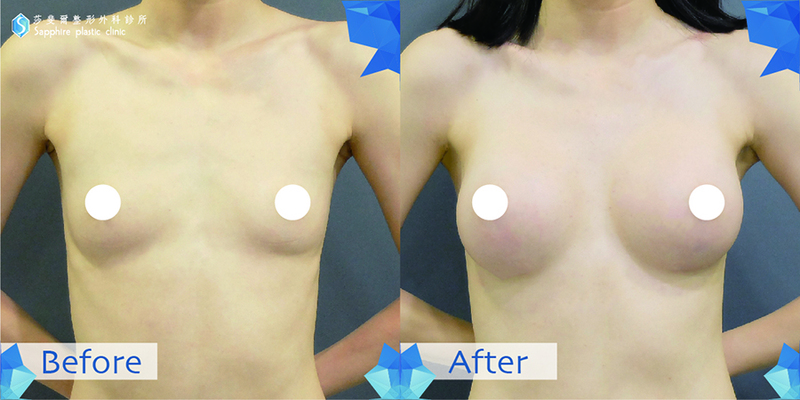
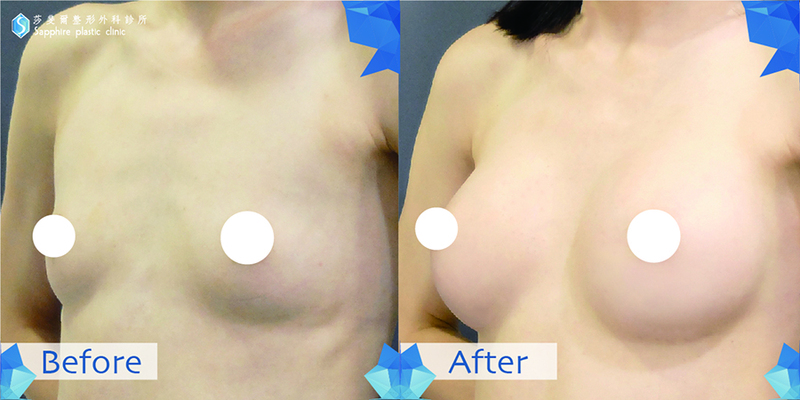
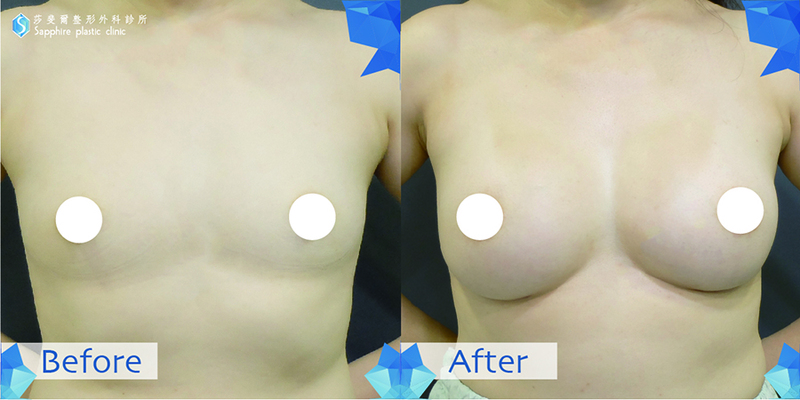
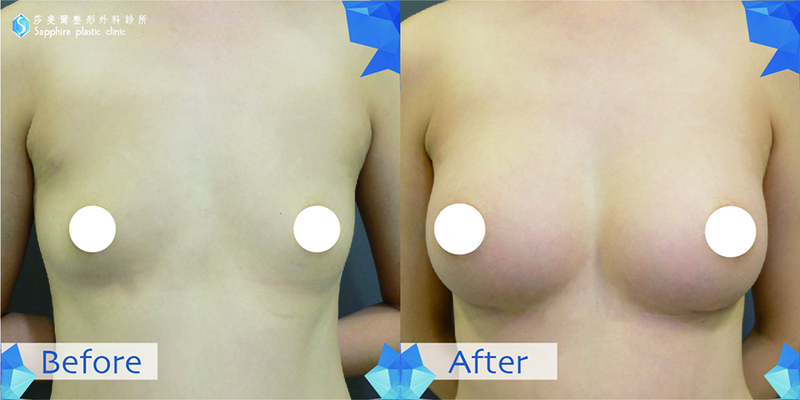
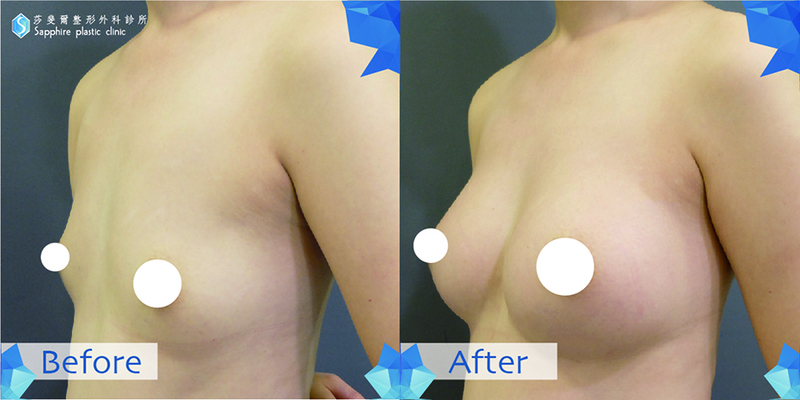
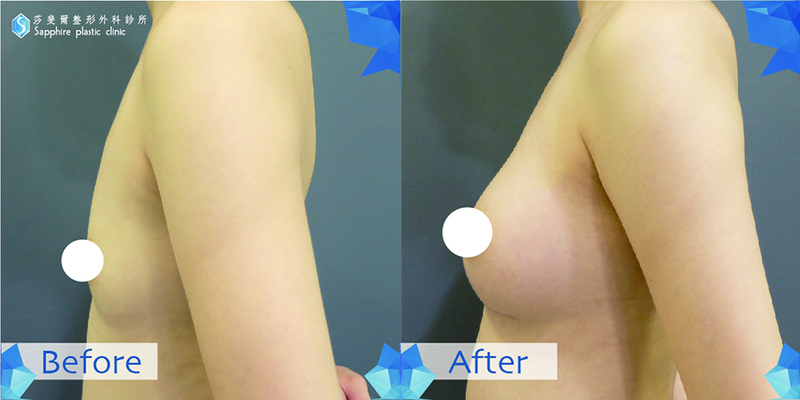
Silicone breast implant augmentation places a medical device into a surgically created pocket to increase breast volume or adjust selected shape differences. Implant width, projection, volume, surface, incision, and pocket must match chest dimensions, soft-tissue coverage, nipple position, skin quality, and goals; a specific cup-size increase cannot be guaranteed.
Breast implants are not lifetime devices. Future imaging and surgery may be needed for rupture, capsular contracture, malposition, asymmetry, pain, infection, or preference. Rare implant-capsule cancers include breast implant-associated anaplastic large cell lymphoma (BIA-ALCL), which occurs more often with textured implants, and reported BIA-SCC and other lymphomas. The exact manufacturer, model, surface, Taiwan regulatory status, warranty, and surveillance plan should be documented before surgery.


Subglandular or subfascial: The implant is placed above the pectoralis muscle. This can reduce muscle-related movement but needs adequate tissue coverage and can make edges, rippling, and imaging displacement more relevant.
Subpectoral or dual-plane: The implant is partly or largely covered by pectoralis muscle. This can improve upper coverage in thin patients but may cause animation deformity, pain, or implant displacement with muscle contraction.
No pocket prevents capsular contracture. The correct incision—commonly inframammary, periareolar, or transaxillary—and pocket depend on implant type, anatomy, scars, breast health, and revision needs.


| Method | Silicone Implants | Fat Transfer |
|---|---|---|
| Volume | More predictable and can provide a larger increase within tissue limits | Usually modest and limited by donor fat, tissue capacity, and survival |
| Material | Medical device with silicone shell and cohesive gel | Patient’s processed fat |
| Incisions | Access incision sized for the selected implant | Small donor incisions and breast punctures |
| Durability | Not a lifetime device; future surveillance and surgery may be needed | Surviving fat can be long-lasting but changes with weight and aging |
| Massage | Depends on implant, pocket, surgeon, and healing; not universally required | Do not massage grafted fat unless instructed |
| Key Risks | Capsular contracture, rupture, malposition, rippling, infection, device-associated cancers | Absorption, fat necrosis, cysts, calcification, asymmetry, embolism |

No method eliminates capsular contracture. Risk is influenced by infection or bacterial biofilm, bleeding, implant surface and pocket, radiation, smoking, prior surgery, rupture, and individual healing. Textured implants are not a simple prevention strategy because they have their own risks, including higher BIA-ALCL risk. Follow wound care and activity instructions; massage only if prescribed. Persistent firmness, distortion, or pain needs assessment and may require surgery.
Yes. A cohesive gel may remain more localized than older liquid silicone, but the shell can rupture and silicone can remain within the capsule or spread beyond it. Rupture may be silent and appearance may not change. Clinical examination alone may miss it, so follow the manufacturer’s and local clinician’s ultrasound or MRI surveillance plan. Confirmed rupture often leads to removal or replacement; surgery is not necessarily simple.
A specific cup-size change cannot be guaranteed because bra sizing varies. Implant width, projection, volume, and pocket are limited by chest dimensions, nipple position, skin and tissue coverage, asymmetry, and long-term risk. Choosing an implant mainly to reach two or more cup sizes can increase stretch, thinning, rippling, bottoming out, pain, and revision.
Common incisions are in the inframammary fold, at the areolar border, or in the axilla. Length depends on implant size, gel cohesivity, approach, prior scars, and technique. Scars usually fade but do not disappear and can remain red, dark, pale, raised, wide, painful, or visible. Scar location also affects pocket access, sensation, breast tissue, and future revision.
Many patients can breastfeed, but normal milk production cannot be guaranteed. Incision, pocket, prior breast development, sensation changes, infection, complications, and later pregnancy can affect lactation. Discuss future pregnancy plans and understand that pregnancy and breastfeeding may change breast shape around the implant.
Breast implants have not been shown to cause common breast carcinoma, but they are associated with rare cancers arising in the implant capsule. BIA-ALCL occurs more often with textured implants; BIA-SCC and other capsule lymphomas have also been reported. Continue age- and risk-based breast screening and report persistent swelling, a new mass, pain, asymmetry, or fluid around the implant, especially years after surgery.
Suitability depends on health, breast findings, device labeling, and anesthesia. Report breast symptoms, abnormal imaging or biopsy, cancer history or risk, diabetes, seizures, bleeding or thrombotic disorders, abnormal scarring, allergies, autoimmune or cardiovascular disease, prior breast surgery, smoking, and all medicines and supplements. Active infection, untreated breast disease, pregnancy, or breastfeeding generally requires deferral or further assessment. Patients under 18 require a legal representative and must meet product-specific age indications. Do not stop aspirin, anticoagulants, hormones, or prescriptions without the prescribing physician. Follow fasting rules and arrange an adult escort.
Take medicines and attend follow-up as directed. Keep the incision clean and dry until cleared, wear only the prescribed bra or support, and do not massage unless specifically instructed for the named implant and pocket. Contact the clinic for heavy bleeding, rapidly increasing swelling, severe pain, fever, pus, breast redness, shortness of breath, chest pain, fainting, or one-sided leg swelling. Avoid smoking, alcohol, soaking, swimming, heavy lifting, and strenuous exercise for the specified period. Keep the implant card and follow the long-term examination and imaging plan.
Possible complications include bleeding, hematoma, infection, seroma, scars, delayed healing, skin or nipple loss, sensation change, chronic pain, asymmetry, malposition, bottoming out, animation deformity, rippling, palpability, capsular contracture, rupture, silicone migration, and revision or removal. Anesthesia complications, blood clots, severe infection, BIA-ALCL, BIA-SCC, and other capsule cancers are uncommon but serious. Implants may require future surgery even without symptoms.
This information is for reference only. Treatment must be assessed by a physician based on each person's condition. Results and risks vary; consult a qualified physician and follow medical advice.